Veteran Owned & Operated!

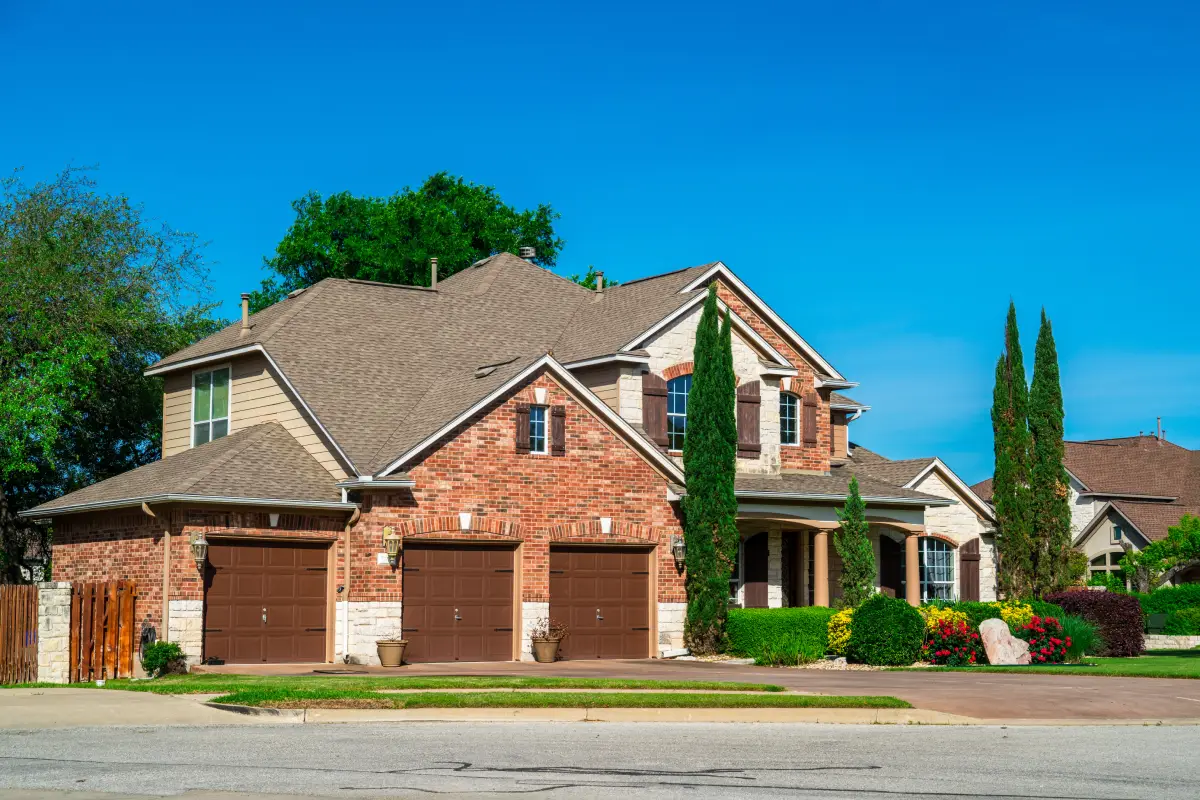
A rental property can appear successful on the surface while quietly losing money behind the scenes. Consistent occupancy, reliable tenants, and steady rent payments are all positive signs, but they don't always tell the full story.
Many landlords in West Palm Beach focus on avoiding vacancies and keeping good tenants happy. While those goals matter, long-term profitability often depends on details that receive less attention. Pricing strategies, maintenance habits, lease enforcement, and property improvements all play a role in preserving revenue. Reviewing smart budgeting practices can help owners uncover areas where profits may be slipping away.
Key Takeaways
- Rental income can decline gradually when pricing remains below current market levels.
- Long-term tenants may unintentionally hide maintenance concerns that need attention.
- Delayed upgrades can reduce a property's appeal to future renters.
- Consistent lease enforcement helps support stronger property performance.
- Regular reviews allow landlords to identify financial issues before they grow.
Rent Pricing Can Drift Away From Market Reality
Many landlords hesitate to raise rent for dependable tenants. They appreciate stability and want to avoid turnover costs. While that approach may seem practical, years without adjustments can significantly affect long-term returns.
West Palm Beach remains an attractive destination for renters, and market conditions continue to evolve. Rental rates that were competitive several years ago may no longer reflect current demand.
Why Pricing Reviews Matter
Ownership costs rarely remain fixed. Insurance premiums increase, property taxes fluctuate, and maintenance expenses become more expensive over time.
When rent remains unchanged while expenses climb, profit margins become smaller.
Some common consequences include:
- Reduced monthly cash flow
- Less money available for repairs
- Delayed property improvements
- Lower overall investment performance
A professional rental value assessment can help determine whether your property's pricing aligns with today's market.
Small Gaps Become Large Losses
A monthly difference of only a few hundred dollars may not seem significant. However, over several years, that gap can add up to thousands in unrealized income.
Gradual adjustments are often easier for tenants to accept than major increases after long periods without changes.
Quiet Tenants Can Create Costly Maintenance Surprises
Reliable renters are valuable, but they do not always report every issue immediately. Some choose to ignore minor problems because they don't want to bother the landlord. Others simply adapt to inconveniences over time.
Unfortunately, maintenance issues rarely improve on their own.
Common Problems That Go Unreported
A dripping pipe beneath a sink may remain hidden until cabinet damage develops. A struggling air conditioning unit might continue operating long after efficiency begins declining.
Older appliances often provide warning signs before failure, yet tenants may wait until they stop working entirely before reporting concerns.
Many of the situations discussed in this article about low-complaint tenants demonstrate how seemingly stable tenancies can hide growing expenses.
Routine Inspections Make a Difference
Regular inspections provide opportunities to identify concerns before they become major repair projects.
These visits can reveal:
- Water intrusion
- Appliance wear
- HVAC inefficiencies
- Safety concerns
- Lease compliance issues
Early intervention often costs far less than emergency repairs.
Delayed Property Updates Can Hurt Future Performance
Long-term occupancy creates stability, but it can also lead landlords to postpone improvements.
When renters stay for years, owners sometimes assume the property remains competitive. However, market expectations continue to change regardless of tenant turnover.
According to Redfin's Rental Market Tracker, elevated rental prices remain common throughout many parts of the country. As renters evaluate options, property condition becomes an increasingly important factor.
Features Renters Notice
Prospective tenants often compare homes based on functionality and appearance.
Some updates that can improve competitiveness include:
- Modern lighting fixtures
- Updated flooring
- Energy-efficient appliances
- Fresh paint
- Improved storage solutions
Properties don't need luxury finishes to attract quality renters. Consistent updates often have a greater impact than large-scale renovations completed infrequently.
Owners who understand seasonal rental trends are often better positioned to plan improvements at strategic times during the year.
Tenant Relationships Should Not Replace Lease Standards
Strong relationships between landlords and tenants contribute to smoother operations. However, familiarity can sometimes lead to relaxed standards.
Over time, small exceptions may become recurring problems.
Areas Where Consistency Matters
Late rent payments may become accepted without consequence. Unauthorized occupants might remain unnoticed. Unapproved pets can create additional wear and tear.
When lease provisions are enforced inconsistently, correcting issues later becomes more difficult.
Landlords benefit from maintaining clear expectations throughout the tenancy, regardless of how long a resident has occupied the property.
Those evaluating the property management decision often find that objective oversight helps maintain consistency across all rental operations.
Data Helps Owners Make Better Decisions
Rental properties perform best when decisions are based on facts rather than assumptions.
Tracking expenses, reviewing income trends, and evaluating market conditions allow landlords to identify opportunities for improvement.
Research from PwC found that 32% of customers will stop doing business with a company after a negative experience. While rental housing differs from retail, tenant expectations continue rising across many industries.
Measuring Property Performance
Owners should regularly review:
- Rental income trends
- Maintenance spending
- Vacancy history
- Property condition
- Lease compliance
Using a rental ROI calculator can provide valuable insight into overall investment performance.
Likewise, access to owner reporting tools helps landlords stay informed about their property's financial health throughout the year.
The American Customer Satisfaction Index reported scores reaching 81 out of 100 for in-room amenities, highlighting how consumer expectations continue increasing. Renters often evaluate housing through a similar lens, expecting comfort, convenience, and responsiveness.
Preventing Revenue Loss Requires Ongoing Attention
Many financial challenges don't emerge overnight. Instead, they develop gradually through a combination of overlooked details.
Missed rent adjustments, delayed repairs, outdated features, and inconsistent lease enforcement can all contribute to declining profitability.
The good news is that these issues are often preventable when landlords commit to regular reviews and proactive management practices.
FAQs about Hidden Rental Revenue Loss in West Palm Beach, FL
How often should landlords evaluate rental pricing?
Most property owners benefit from reviewing rental pricing annually. Market conditions, operating expenses, and neighborhood demand can change over time, making regular assessments important for maintaining competitive income levels.
Can a rental property be occupied and still underperform financially?
Yes. Occupancy alone does not measure profitability. Below-market rent, deferred maintenance, and outdated property features can reduce overall returns even when a property remains fully occupied.
Why are inspections important with long-term tenants?
Routine inspections help identify maintenance concerns early, monitor property condition, and confirm lease compliance. They often prevent minor problems from developing into expensive repairs that affect profitability.
Which property updates usually provide the best value?
Improvements such as updated flooring, modern fixtures, energy-efficient appliances, and fresh interior finishes often increase appeal while helping properties remain competitive within the local rental market.
What are the risks of overlooking small lease violations?
Minor issues can become larger problems when left unresolved. Consistent lease enforcement helps maintain property standards, protect investments, and support positive landlord-tenant relationships over the long term.
Setting the Stage for More Reliable Returns
The most expensive rental property problems are often the ones that develop quietly. Small pricing gaps, hidden maintenance concerns, delayed improvements, and inconsistent lease practices can gradually reduce profitability without attracting immediate attention.
At PMI West Palm, we help property owners uncover these issues through proactive oversight, market-based guidance, and structured management support. When you're ready to create a more dependable income stream and improve operational efficiency, accelerate your rent payments with solutions designed to support long-term success in the West Palm Beach rental market.